
Charles Johnson
Unsecured Debt Specialist
Date & time
Jan 23, 2026
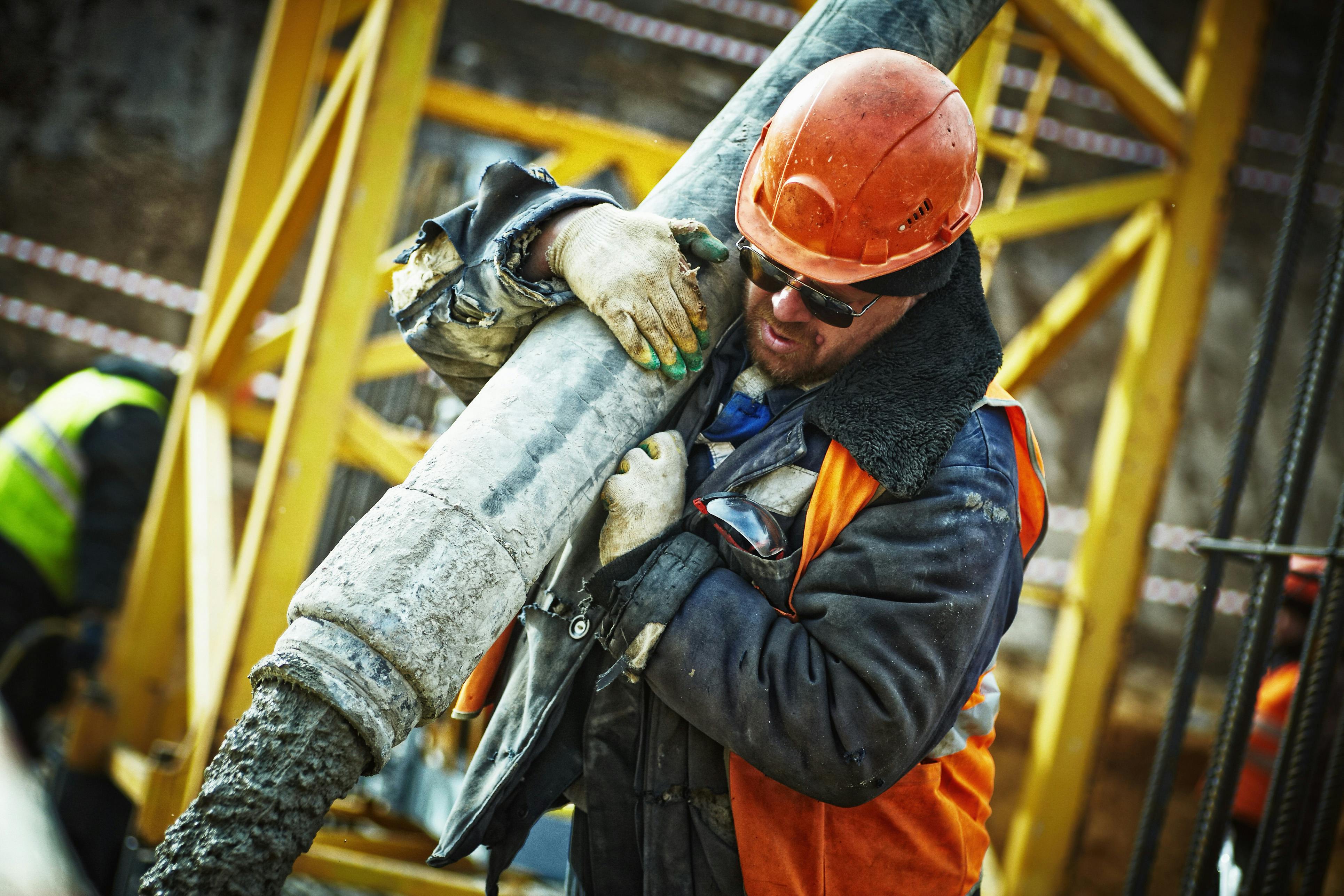
For many businesses, equipment is not optional. Trucks, machinery, medical devices, kitchen equipment, technology, and specialized tools are what keep operations running and revenue flowing. But purchasing equipment outright can put serious pressure on cash flow, especially for small and growing companies.
That’s where equipment loans come into play.
An equipment loan allows a business to spread the cost of necessary assets over time, rather than tying up capital in a single large purchase.
When structured correctly, equipment financing can support growth without destabilizing day-to-day operations. When misunderstood, it can create rigid obligations that are hard to manage.
This guide explains how equipment loans work, what business owners should look for, and how equipment financing fits into a broader funding strategy, including how marketplaces like HappyDebt help business owners evaluate equipment loans alongside other options.
What Is an Equipment Loan?
An equipment loan is a type of business financing used specifically to purchase equipment needed for operations. Unlike general-purpose business loans, equipment loans are tied directly to a specific asset.
In most cases, the equipment itself serves as collateral. That reduces risk for the lender and often results in lower interest rates compared to unsecured financing. Once the loan is repaid, the business owns the equipment outright.
Equipment loans are commonly used across industries, including construction, trucking, manufacturing, healthcare, hospitality, and professional services.
Whether it’s a commercial vehicle, production machinery, or specialized technology, the loan is structured around the useful life of the asset.
How Equipment Loans Work in Practice
The equipment loan process usually starts with identifying the asset to be purchased. Lenders typically want to know what the equipment is, whether it’s new or used, who the vendor is, and how it will be used in the business.
After reviewing the business’s financial profile, including credit, time in business, and revenue, the lender approves a loan amount and terms. Funds are either paid directly to the equipment seller or reimbursed after purchase.
Repayment is made in fixed installments over a defined term, often between three and seven years. Because payments are predictable, equipment loans can be easier to budget for than variable or short-term financing options.
However, because the equipment is collateral, defaulting on the loan can result in repossession. That makes it especially important to ensure the payment structure fits the business’s cash flow reality.
Interest Rates, Terms, and What Affects Them
Equipment loan rates vary widely. Businesses with strong credit, stable revenue, and newer equipment typically receive better terms. Older equipment, limited operating history, or weaker credit profiles can increase rates or reduce approval options.
Loan terms are often aligned with the expected lifespan of the equipment. Longer terms reduce monthly payments but increase total interest paid. Shorter terms cost less overall but require stronger cash flow.
Many lenders also require a down payment, particularly for used equipment. Understanding the full cost of the loan is critical. Fees, insurance requirements, and prepayment penalties can all affect the real price of financing.
Why Businesses Use Equipment Loans
Equipment loans are popular because they solve a specific problem: acquiring essential assets without draining working capital.
Instead of tying up cash reserves, businesses can preserve liquidity for payroll, inventory, marketing, and unexpected expenses. Payments are spread out over time, often matching the revenue the equipment helps generate.
For established businesses, equipment loans are often a routine part of growth and maintenance. For newer businesses, they can be a stepping stone toward building credit and operational capacity.
Where Equipment Loans Can Create Challenges
While equipment loans are generally more stable than many alternative financing products, they still come with risks.
One challenge is rigidity. Once the loan is in place, payments continue regardless of business performance. If revenue dips or the equipment becomes obsolete sooner than expected, the loan doesn’t adjust.
Another issue is over-financing. Some businesses take on equipment loans on top of existing high-interest obligations, stretching cash flow too thin. In those situations, even a “reasonable” loan can create stress.
That’s why context matters. An equipment loan should fit into the business’s overall financial picture.
Equipment Loans vs. Other Financing Options
Equipment loans are just one option in a larger financing ecosystem.
Compared to traditional business loans, equipment loans are more targeted and often easier to qualify for because the asset reduces lender risk.
Compared to business lines of credit, equipment loans are less flexible but more structured. Lines of credit work better for ongoing expenses, while equipment loans are designed for specific purchases.
Compared to business credit cards, equipment loans usually offer lower long-term costs for large purchases. Credit cards may be useful for smaller equipment or short-term needs, especially when 0% APR offers are available, but carrying large balances long-term can be expensive.
Understanding these differences helps business owners avoid using the wrong tool for the job.
When an Equipment Loan May Not Be the Best First Step
If a business is already struggling with cash flow or high-interest debt, adding another fixed payment can increase pressure rather than relieve it. This is especially common for businesses dealing with short-term financing or merchant cash advances.
In those cases, addressing existing obligations first may improve the business’s ability to finance equipment responsibly later. Stabilizing cash flow often opens the door to better loan terms and more sustainable financing options.
How HappyDebt Fits Into the Equipment Financing Conversation
At HappyDebt, we don’t issue equipment loans, and we don’t push a single financing product. We operate as a marketplace designed to help business owners understand their options and connect with vetted partners based on what actually fits their situation.
That includes equipment loans, but also alternatives.
Some businesses come to HappyDebt specifically looking for equipment financing. Others discover that an equipment loan isn’t the right first step once they look at the full picture. In those cases, exploring other strategies, such as restructuring existing debt, using flexible credit tools, or planning financing in stages, can lead to better outcomes.
Our role is not to replace lenders. It’s to help business owners approach financing decisions with clarity.
Equipment loans can be a powerful and practical way to finance the assets your business depends on. When terms align with cash flow and long-term plans, they help businesses grow without sacrificing stability.
But like any financial tool, success depends on understanding how the loan fits into the broader picture. Rates, terms, existing obligations, and future flexibility all matter.
At HappyDebt, we believe better financing decisions start with better information. Whether an equipment loan is the right answer, or just one option among many, clarity gives business owners control.