Helen Williams
Credit Cards Specialist
Date & time
Jan 23, 2026
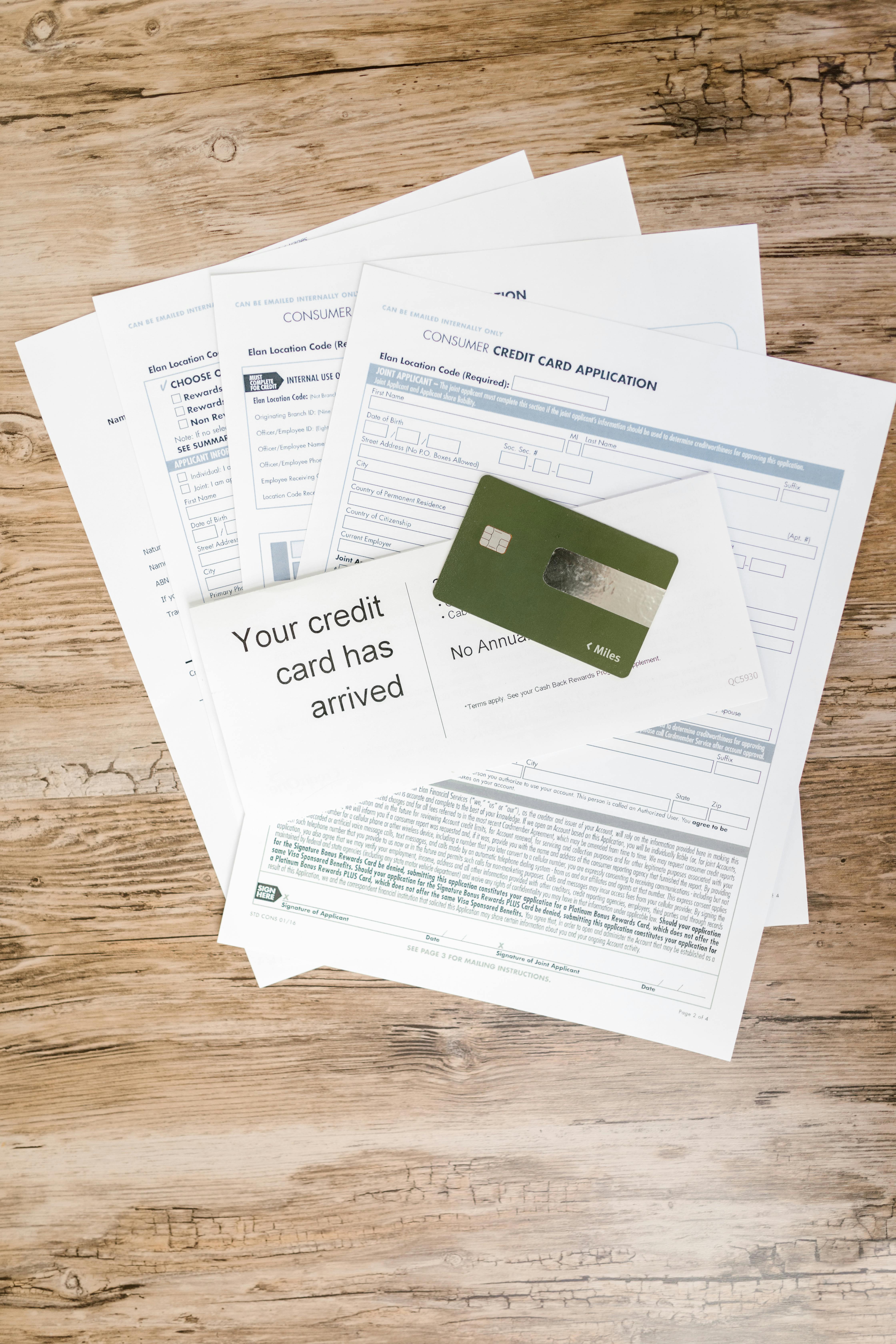
Access to capital is one of the most important factors in running a healthy business. Even profitable companies experience cash flow gaps, seasonal slowdowns, or unexpected expenses. That’s where a business line of credit often comes into the conversation.
Unlike traditional business loans that provide a lump sum upfront, a business line of credit is designed for flexibility. It gives you access to capital when you need it, without forcing you to borrow money you’re not ready to use.
But while business lines of credit are widely discussed, they’re also widely misunderstood. Many business owners apply for one without fully understanding how it works, how repayment is structured, or how it compares to other financing options.
This guide breaks it all down, clearly and practically, so you can decide whether a business line of credit is the right tool for your business.
What Is a Business Line of Credit?
A business line of credit is a revolving financing product that allows a business to borrow funds up to a predetermined limit, repay what’s borrowed, and then borrow again as needed.
Think of it as similar to a credit card, but often with:
Lower interest rates
Higher credit limits
More flexible use of funds
Once approved, you’re not required to use the full amount. You draw funds only when needed, and interest is charged only on the amount you actually use and not the entire credit line.
This makes a business line of credit fundamentally different from a traditional loan.
How a Business Line of Credit Works Step by Step
Understanding the mechanics helps avoid surprises later.
1. Approval and Credit Limit
When you apply, the lender evaluates your business and personal financial profile. If approved, you’re given a maximum credit limit, for example, $50,000 or $100,000.
This limit represents the total amount you can access at any given time, not a lump sum you must take immediately.
2. Drawing Funds
Once the line is open, you can draw funds whenever needed. Some lenders allow transfers directly to your business bank account, while others provide checks or debit-style access.
You might draw $10,000 to cover payroll, then another $5,000 later for inventory. You control when and how much you use.
3. Interest and Fees
Interest accrues only on the outstanding balance. If you haven’t drawn any funds, you generally don’t pay interest, though some lenders charge maintenance or inactivity fees.
Rates can be fixed or variable, depending on the lender.
4. Repayment
Repayment terms vary. Some lines require monthly interest-only payments, while others include principal payments as well. As you repay the balance, your available credit replenishes.
This revolving feature is what makes a line of credit different from a loan.
5. Ongoing Access
As long as the account remains in good standing, you can continue to draw and repay funds without reapplying, giving you long-term flexibility.
What Business Lines of Credit Are Commonly Used For
Business lines of credit are best suited for short-term or recurring needs, not large one-time investments.
Common uses include:
Managing cash flow gaps
Covering payroll during slow periods
Purchasing inventory
Paying vendors
Handling emergency expenses
Funding short-term opportunities
Because you only borrow what you need, lines of credit help avoid overleveraging the business.
Types of Business Lines of Credit
Not all business lines of credit work the same way.
Secured Lines of Credit
These require collateral, such as inventory, receivables, or other business assets. Because lender risk is lower, secured lines often offer lower interest rates and higher limits.
Unsecured Lines of Credit
Unsecured lines don’t require collateral, but they usually rely heavily on creditworthiness. Rates may be higher, and limits lower, but approval is often faster.
Many small businesses prefer unsecured lines to avoid putting assets at risk.
How Lenders Decide Approval and Terms
Several factors influence whether you qualify and what terms you receive.
Credit Profile
Personal credit is often considered, especially for small businesses. Strong credit typically leads to better rates and limits.
Time in Business
Established businesses usually have an easier time qualifying than startups.
Revenue and Cash Flow
Lenders want confidence that your business can repay what it borrows.
Existing Debt
High existing obligations can reduce approval odds or limit available credit.
Advantages of a Business Line of Credit
A business line of credit offers several key benefits.
First, it provides flexibility. You’re not locked into a single borrowing decision, and you can adapt usage to your business needs.
Second, it can be cost-effective. Since you only pay interest on what you use, it’s often cheaper than taking out a full loan for uncertain expenses.
Third, it helps with financial stability. Having a line available before you need it can prevent panic borrowing or reliance on high-cost emergency options.
Potential Drawbacks to Be Aware Of
Despite the benefits, business lines of credit are not perfect.
Interest rates can increase if the line is variable. Some lenders charge fees for maintenance, inactivity, or early repayment. And if cash flow drops significantly, revolving debt can still become burdensome.
Additionally, many businesses don’t qualify, especially startups or those with recent credit challenges.
How Business Lines of Credit Compare to Other Options
A business line of credit sits somewhere between a traditional loan and a credit card.
Compared to a business loan, a line of credit offers more flexibility but less structure.
Compared to business credit cards, lines often provide lower rates but fewer rewards and less instant access.
When businesses can’t qualify for a line of credit, some turn to high-cost options like merchant cash advances. These products may offer fast approval, but daily repayment structures can strain cash flow quickly.
In many cases, it’s better to explore alternatives carefully rather than rush into expensive short-term financing.
Alternatives When a Line of Credit Isn’t Available
If a business line of credit isn’t an option, other strategies may still help.
One approach is credit card stacking, which combines multiple business credit cards into a coordinated funding strategy. Many cards offer 0% APR introductory periods, creating interest-free access to capital when used responsibly.
Another option is addressing existing debt first. If cash flow is already tight due to high-interest obligations, especially merchant cash advances, debt relief or restructuring may be the smartest initial step.
How HappyDebt Helps Business Owners Navigate These Choices
At HappyDebt, we don’t issue lines of credit or push a single financing product. We operate as a marketplace, helping business owners understand how different options work and connecting them with vetted partners based on fit.
That includes business loans, lines of credit, debt relief solutions, and strategic credit approaches like credit card stacking.
Our focus is clarity first. Financing should support your business, not create confusion or pressure.
A business line of credit can be one of the most useful financial tools a business has, when it’s understood and used correctly. It offers flexibility, control, and a buffer against uncertainty.
But like any form of credit, it’s only effective when paired with a plan. Knowing how it works, how repayment functions, and how it compares to alternatives allows you to make decisions that strengthen your business instead of stretching it thin.