
Charles Johnson
Unsecured Debt Specialist
Date & time
Oct 28, 2025
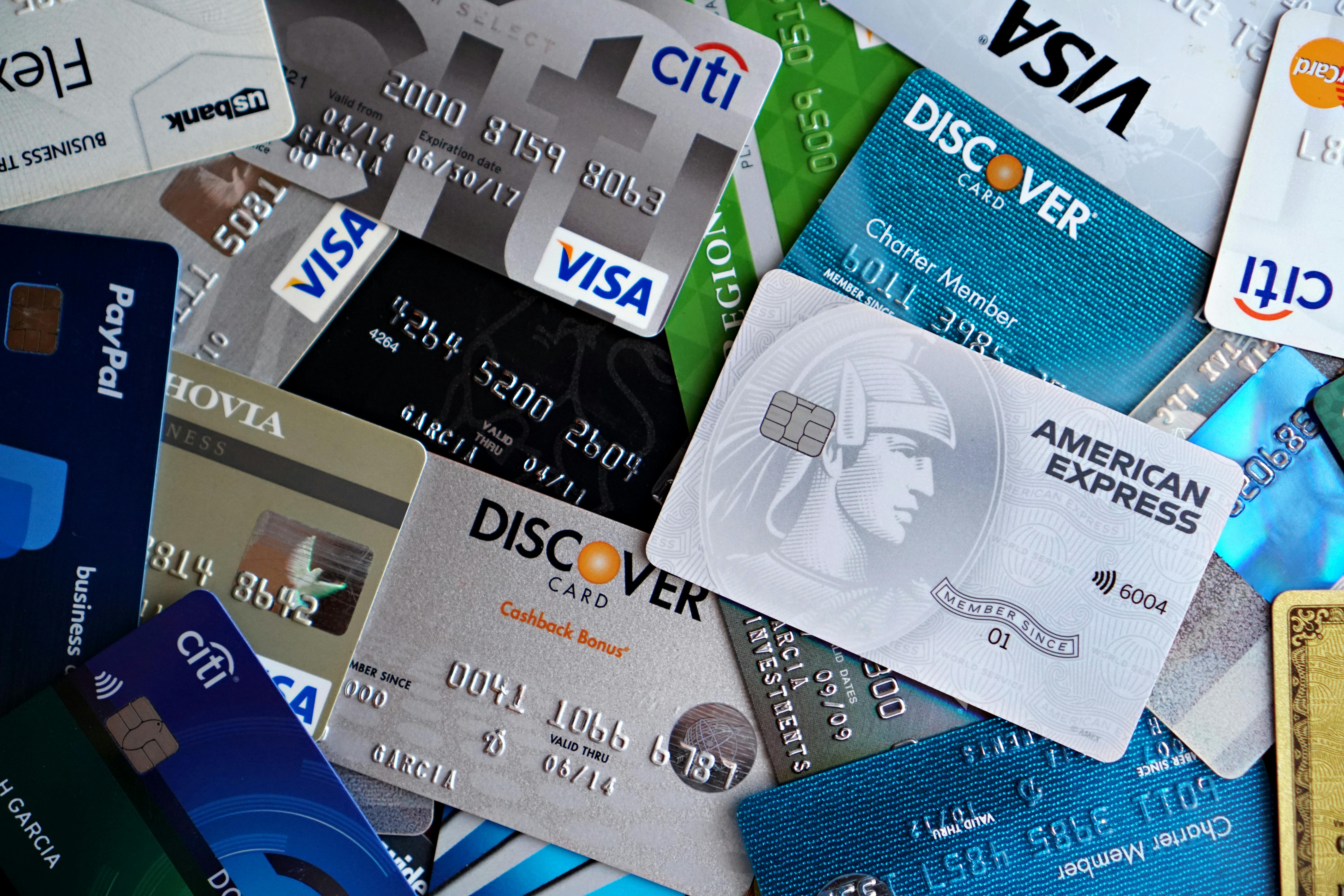
Debt is a part of life, and for many entrepreneurs, it’s a part of growth. Whether you’re starting a business, investing in expansion, or navigating a difficult cash flow cycle, debt often becomes a tool you rely on.
But not all debt works the same way, and understanding the difference between secured and unsecured debt is essential to managing your finances responsibly.
One of the most common forms of borrowing today is unsecured debt. You’ll find it attached to everyday financial products, from credit cards to personal loans to certain types of business funding.
But while unsecured debt can offer flexibility, simplicity, and speed, it also carries unique responsibilities and risks.
This guide breaks down what unsecured debt is, how it works, the pros and cons, and what to do if unsecured debt becomes overwhelming, especially for business owners navigating high-interest loans, merchant cash advances, and credit challenges.
What Is Unsecured Debt?
Unsecured debt is a type of debt that does not require collateral. That means the lender does not take a security interest in your home, car, equipment, or other property in order to approve financing.
Instead, unsecured debt is based primarily on:
Your credit history
Your income or revenue
Your repayment reliability
Your financial behavior
If you stop paying unsecured debt, the lender cannot immediately seize property. Instead, they have to pursue collections, legal action, or settlement negotiations.
Common Types of Unsecured Debt
Unsecured debt is extremely common, including:
Credit cards
Personal loans
Student loans
Medical bills
Some business loans
Lines of credit
Merchant cash advances (MCAs) (technically not loans, but unsecured obligations)
Each of these carries its own rules and expectations, but they all share the same core trait: no collateral required.
Secured vs. Unsecured Debt: Key Differences
To understand unsecured debt fully, you have to compare it to its opposite: secured debt.
Secured Debt
Requires collateral
Lower interest rates
Lender can seize assets if you default
Examples: mortgages, auto loans, business equipment loans
Unsecured Debt
No collateral required
Higher interest rates
Lenders rely on creditworthiness and repayment history
Examples: credit cards, personal loans, MCAs
Why This Matters
Because unsecured lenders take on more risk, they typically charge:
Higher fees
Higher interest rates
More aggressive repayment terms
For businesses, unsecured debt can be a lifeline, but also a trap if not managed wisely.
Why Lenders Offer Unsecured Debt
If unsecured debt is riskier for lenders, why offer it at all? Three reasons:
1. High Demand
Consumers and business owners often prefer unsecured financing because it’s fast, simple, and doesn’t require collateral.
2. High Profit Margins
Unsecured financial products typically come with:
Higher APR
Penalties for late payments
Compound interest
Annual fees or factor rates (in the case of MCAs)
This makes unsecured lending extremely profitable.
3. Better Accessibility
Lenders can offer unsecured products at scale, making them easy to distribute through online platforms, banks, and fintech apps.
Unsecured debt is convenient. But convenience often comes with cost.
The Advantages of Unsecured Debt
Despite the risks, unsecured debt has real benefits when used appropriately.
1. No Collateral Required
You don’t have to put your home, vehicle, or business assets at risk.
2. Faster Approval
Many unsecured products approve borrowers within minutes or days compared to weeks or months for secured loans.
3. Flexible Use of Funds
Unsecured debt rarely restricts how you spend the money. This is especially useful for startups, seasonal businesses, or personal emergencies.
4. Builds Credit
Consistent repayment helps build your credit profile, improving your ability to borrow responsibly in the future.
The Risks of Unsecured Debt
For every benefit, there’s a tradeoff. Unsecured debt can be dangerous if mismanaged or misunderstood.
1. High Interest Rates
Credit cards can exceed 25% APR. Personal loans may reach 30% or more. MCAs often have effective APRs from 40% to 200%.
2. Aggressive Repayment Terms
Some unsecured financing, especially merchant cash advances, require daily or weekly withdrawals that drain cash flow rapidly.
3. Credit Damage
Because unsecured lenders rely on your creditworthiness, late payments can impact your credit score quickly.
4. Limited Borrowing Power
Without collateral, unsecured loans typically have lower limits compared to secured business loans or lines of credit.
5. Risk of Overextension
Because unsecured credit is easy to access, people often borrow more than they can manage.
Understanding these risks is the first step in building a healthy strategy for borrowing and repayment.
Unsecured Debt for Businesses Can Be a Double-Edged Sword
For entrepreneurs, unsecured debt shows up in several forms:
Business credit cards
Unsecured lines of credit
Short-term loans
MCAs
Vendor financing
Personal credit used for business expenses
Unsecured debt can help businesses:
Bridge revenue gaps
Cover inventory or payroll
Invest in advertising
Launch new products
Survive a slow season
But when interest rates climb or cash flow dips, this same debt can spiral out of control.
What to Do If Unsecured Debt Becomes Overwhelming
When unsecured debt becomes unmanageable, you still have options. The key is taking action before collectors, or worse, lawsuits, appear.
1. Debt Consolidation
Combining multiple unsecured accounts into one payment can simplify your financial structure and reduce stress.
2. MCA Debt Relief
If you’re struggling with merchant cash advances, one of the most aggressive forms of unsecured debts, relief programs can:
Reduce your balance
Stop daily withdrawals
Prevent legal action
Restore cash flow
For many businesses, MCA relief is the first step toward financial stability.
3. Debt Settlement or Negotiation
Some lenders will negotiate a payoff amount if you’re facing financial hardship.
4. Credit Rebuilding Strategies
Once debt is under control, rebuilding credit is essential for long-term stability. This includes creating a healthy mix of accounts, keeping utilization low, and paying on time consistently.
5. Alternative Funding Options
After resolving high-interest unsecured debt, many business owners turn to smarter, more flexible funding strategies.
One popular approach is credit card stacking, a structured way to access 0% APR credit across multiple business cards for 12–24 months. It’s unsecured, but far more strategic and cost-effective than MCAs or high-interest loans.
When managed responsibly, credit card stacking helps entrepreneurs regain access to capital without falling back into predatory debt cycles.
Unsecured Debt Isn’t the Enemy. Confusion Is
Unsecured debt itself isn’t inherently bad. In fact, it’s one of the most important tools in modern finance. It helps people launch businesses, cover emergencies, invest in growth, and manage life’s unpredictable moments.
The problem isn’t unsecured debt but rather the unclear terms, high interest, and borrowing without a plan.
Whether you’re dealing with business credit cards, personal loans, or merchant cash advances, the most important thing is understanding how the debt works and what your options are when things get difficult.
At HappyDebt, we believe clarity is power. When you understand the difference between good debt, risky debt, and strategic debt, you can make decisions that move your business forward and don’t hold yout back